

Myth Debunked: Does Checking Your Rate Hurt Your Credit Score? Understanding Hard vs. Soft Inquiries
As we navigate the bustling holiday season of December 2025, many of us are naturally more conscious of our financial liquidity. Whether looking for the best loan rates, considering premium credit cards, or planning capital investments like a new home, a common fear surfaces: the dread that checking your rate could damage your precious credit score.
I understand this anxiety deeply. For years, this misconception has prevented financially savvy individuals from proactive asset management, potentially missing out on superior interest rate arbitrage. This paralyzing myth stops smart financial moves, especially when you’re focused on managing credit scores and your overall holiday credit health.
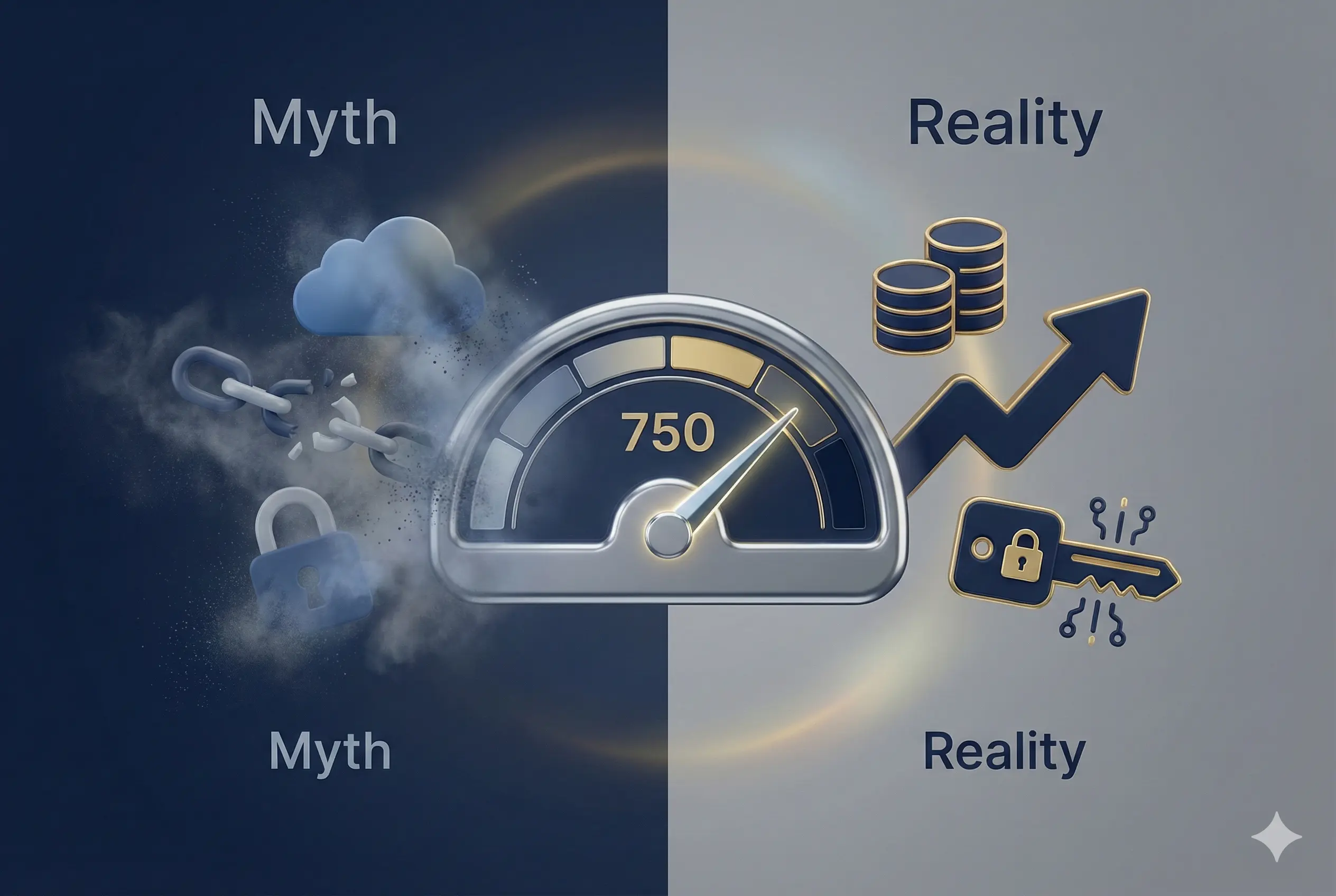
The Core Difference: Soft Inquiries vs. Hard Inquiries
The entire confusion boils down to a misunderstanding of two distinct lending risk assessments: soft inquiries and hard inquiries. Grasping this distinction is the cornerstone of responsible capital management.
What is a Soft Inquiry? (Zero Impact on Financial Rating)
A soft inquiry, or “soft pull,” is a review of your credit profile that does not impact your score. It’s an informational glance rather than an immediate lending decision involving new debt.
- Definition: Occurs when you check your own score or when a business performs pre-approval checks.
- Key characteristic: It is not linked to an active credit application.
- Examples: Using Credit Karma or Experian, receiving pre-approved mortgage offers, or employer background checks.
What is a Hard Inquiry? (Minor, Temporary Credit Dip)
A hard inquiry occurs when a lender assesses your credit risk because you have formally applied for a new line of credit.
- Definition: Triggered by a formal loan application (e.g., mortgage, auto loan).
- Impact: Signals to the market that you are seeking additional capital, which can temporarily shift your risk profile.
- Common Scenarios: Applying for top rewards cards or consolidation loan rates.
When Checking Your Rate IS Safe (and Smart!)
Regular credit monitoring is an essential habit that empowers you with market intelligence. Understanding soft inquiries allows you to embrace these tools without fear.
Checking Your Own Credit Score and Report
Reviewing your credit report regularly is like auditing your financial resume. It allows for error detection and protection against identity theft, which is crucial for maintaining a high FICO score.
Pre-qualifications and Pre-approvals
Lenders use soft inquiries for non-binding checks. This is a valuable strategy for comparing mortgage rates or credit card APRs without commitment.
When a Hard Inquiry Occurs: Putting Impact in Perspective
While hard inquiries have a minor effect, they are far less dramatic than many imagine. They are a necessary part of strategically expanding your credit options.
- Submitting Formal Applications: Your explicit intent to borrow capital triggers this comprehensive review.
- The Actual Impact: Typically a minor dip (1-5 points) which is insignificant compared to payment history (35%) or utilization (30%).
- Resilience: Hard inquiries stay on your report for two years but only impact your score for about 12 months.
- Rate Shopping: Multiple inquiries for the same type of loan within 14-45 days are often treated as a single inquiry.
Beyond Inquiries: What Truly Shapes Your Credit Profile
Don’t let inquiries distract you from the dominant factors of creditworthiness:
- Payment History: The bedrock of your score (35% of FICO). Always pay on time.
- Credit Utilization: Aim to keep balances below 30% of your total available credit (30% weight).
- Length of Credit History: Older, well-managed accounts enhance portfolio stability (15% weight).
- Credit Mix: A healthy variety of revolving and installment credit (10% weight).
Empowering Your Financial Future
Using resources like AnnualCreditReport.com or your bank’s FICO monitoring tool ensures you can negotiate better interest rates. Knowledge of your score gives you leverage when applying for high-limit credit lines.
Conclusion: Fearless Credit Management
Do not let a baseless fear of inquiries prevent you from making smart financial moves. Embrace routine credit audits to identify errors and optimize your financial profile for 2026.
Frequently Asked Questions (FAQ)
Q: Does checking my own score hurt?
A: No. Personal checks are soft inquiries and have zero impact on your rating.
Q: How long do hard pulls stay?
A: They remain on your report for two years but typically stop impacting your score after 12 months.