
Leaving Home for the Holidays? Essential Home Insurance Tips for Empty Houses
As we approach the peak of the 2026 holiday season, the anticipation of festive travel is undeniable. Whether you are planning a ski trip to the mountains or a sun-drenched escape, preparing for an extended absence requires strict financial foresight. For the astute homeowner, travel preparation is not just about packing; it is about strategically safeguarding your most valuable physical asset.
Leaving a primary residence unattended introduces a unique spectrum of property risks and potential liabilities. Many responsible property owners experience a subtle undercurrent of anxiety regarding the security of their empty homes. Will the property be safe from severe winter weather, and will everything remain exactly as you left it?
Proactive risk management and a comprehensive understanding of your property insurance policy are absolutely essential. This definitive guide will equip you with the advanced financial knowledge and actionable protocols needed to fortify your property. By implementing these strategies, you can fully immerse yourself in your holiday travels, completely free from unnecessary domestic anxieties.
The Financial Realities of an Unattended Property
The holiday season is synonymous with travel, reconnection, and time spent away from our primary residences. We meticulously plan our itineraries and book premium flights to ensure stress-free experiences. However, for those who take their financial responsibilities seriously, an empty house represents a highly concentrated risk exposure.
The joy of an upcoming trip can quickly be overshadowed by the looming threat of undetected break-ins, catastrophic weather damage, or severe appliance malfunctions. How do you fully embrace your holiday adventures without constantly monitoring security feeds? The answer lies in rigorous pre-departure preparation and optimizing your insurance protections.
This is not about fostering fear, but rather about executing a sophisticated risk mitigation strategy. By identifying specific property vulnerabilities and taking proactive steps, you can transform homeowner anxiety into absolute confidence. Let us explore the critical components of your holiday protection manual to secure your real estate investments.
Why Empty Homes Are Prime Targets During the Holidays
While the holidays bring widespread cheer, they also create highly opportune moments for organized property crime. An empty home during the festive period becomes a prime target for criminals, making it inherently more vulnerable than an occupied dwelling. Recognizing this stark reality is the foundation of effective property protection.
Visible indicators of your absence, such as an overflowing mailbox or perpetually dark windows, act as unwitting invitations to opportunistic burglars. Furthermore, the harsh winter weather patterns common in December introduce severe environmental threats. From freezing temperatures to heavy blizzards, unmonitored homes can suffer catastrophic structural damage.
The Heightened Threat of Burglary and Vandalism
Statistical data consistently shows that property crime rates, particularly residential burglaries, spike aggressively during peak holiday travel windows. As families vacate their neighborhoods to celebrate, their empty properties become highly attractive targets for criminals who track these seasonal patterns. A successful breach represents a severe violation of privacy and a massive financial loss.
Visible signs of an unattended home are equivalent to broadcasting your absence. A porch cluttered with uncollected mail, an unplowed driveway, or a house that remains consistently dark all signal that the property is vacant. This susceptibility threatens not only the structure but also high-value interior assets, highlighting the need for robust expensive gift insurance.
Winter Weather Perils: Frozen Pipes and Storm Damage
For homeowners in the US, CA, and the UK, holiday travel frequently coincides with severe winter weather. Sub-zero temperatures are not merely an inconvenience; they are a catastrophic threat to your home’s internal plumbing. One of the most financially devastating issues for unattended properties is the rupture of frozen pipes.
Returning from a vacation to discover collapsed ceilings and flooded hardwood floors is a devastating scenario that frequently results in tens of thousands of dollars in restoration costs. Beyond plumbing failures, violent winter storms can cause severe roof damage, fell mature trees, and trigger prolonged power outages. Preventative climate control measures are just as critical as your security alarms.
Insidious Dangers: Electrical and Appliance Failures
While burglaries and burst pipes dominate the headlines, it is vital not to overlook the quieter, insidious dangers lurking within an empty house. Electrical faults and spontaneous appliance malfunctions can have devastating consequences when no one is present to intervene.
An overloaded circuit or a faulty, plugged-in appliance can quickly ignite a structural fire. While you should unplug most devices, critical systems like your refrigerator and HVAC unit must remain active, preserving a residual level of risk. A disciplined approach to powering down non-essential grid loads drastically reduces the likelihood of a silent disaster.
Decoding Your Home Insurance Policy When Away
Navigating the legal language of property insurance can feel overwhelming, particularly regarding extended absences. Many property owners operate under the dangerous assumption that their standard policy offers blanket indemnification regardless of their physical presence. The fine print concerning “periods of absence” dictates whether a claim is approved or summarily denied.
As a financially astute investor, you must proactively review your policy declarations before departing. Connecting directly with your insurance broker to clarify absence clauses prevents massive out-of-pocket liabilities. Let us demystify the critical terminology you must understand before your 2026 holiday travels.
The Critical Distinction: Unoccupied vs. Vacant
One of the most consequential legal distinctions in property insurance is the difference between an “unoccupied” and a “vacant” home. While used interchangeably in casual conversation, insurers assign vastly different risk profiles and coverage limits to these two states.
An unoccupied home means the resident is temporarily away, but the property remains fully furnished, and there is a clear intent to return. Conversely, a vacant home is entirely devoid of personal property, and no one intends to reside there immediately. Insurance carriers view vacant properties as extremely high-risk, frequently imposing strict coverage exclusions for perils like vandalism or sudden water damage.
Standard Coverage Limitations for Empty Properties
Standard homeowner’s policies do not maintain identical coverage thresholds when a property is left empty for an extended duration. Most underwriting contracts contain strict clauses that severely limit or entirely exclude specific protections once a home crosses a designated absence threshold.
While catastrophic perils like fire and forced-entry theft are generally covered, other damages are heavily scrutinized. If a home is unoccupied for more than 30 or 60 consecutive days, coverage for burst pipes, gradual water damage, and glass breakage is often voided. Insurers implement these rules because empty homes lack the immediate human detection required to mitigate ongoing damages.
The Mandatory Requirement to Notify Your Insurer
Failing to officially notify your insurance provider of an extended holiday absence is a critical breach of contract. Many policies strictly mandate that you inform the carrier if the property will be empty beyond a specific timeframe, usually 30 to 60 days. Ignoring this requirement can result in the immediate denial of an otherwise legitimate claim.
By disclosing your travel dates, your insurer can accurately underwrite the temporary risk. They may require you to purchase an “unoccupied home endorsement” to maintain comprehensive coverage. This brief phone call is a mandatory step in your holiday insurance review.
Pre-Departure Security and Maintenance Protocols
Optimal property management relies heavily on proactive physical preparation. It is not enough to simply pay your insurance premiums; you must execute tangible steps to deter threats and minimize environmental risks. Your goal is to render the property as unattractive to criminals and as resilient to weather as possible.
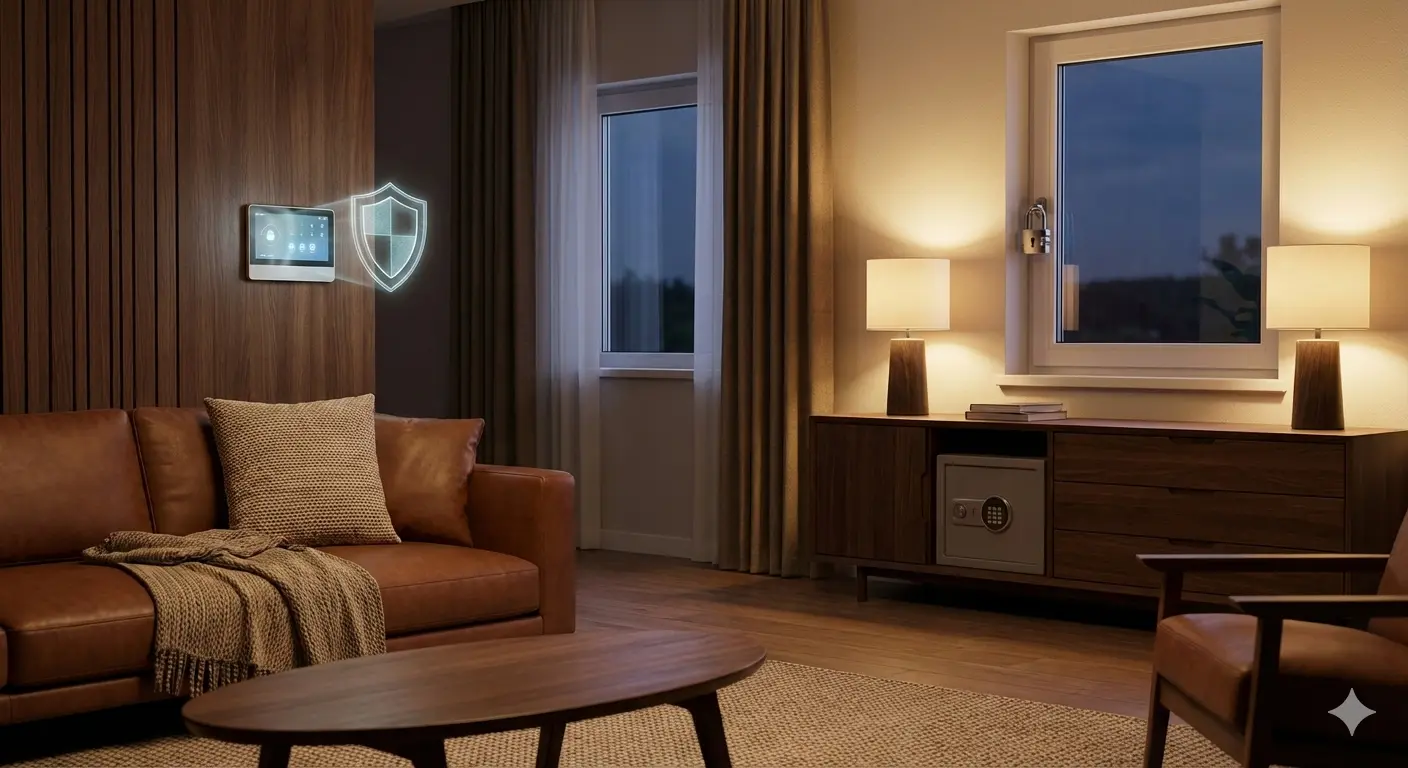
Prevention is vastly superior to the grueling claims process. By dedicating a few hours to property fortification before you leave, you dramatically reduce the statistical probability of suffering a loss. Let us review the essential, actionable protocols for the 2026 travel season.
Fortifying Perimeter and Interior Defenses
Your property’s first line of defense relies on robust physical barriers and integrated smart technology. In 2026, modern security ecosystems provide unprecedented remote oversight, making homes exceptionally difficult targets for burglars.
- Deploy Smart Surveillance: Activate all exterior cameras and ensure real-time mobile alerts are functioning to monitor the perimeter globally.
- Audit Physical Locks: Manually double-check every window latch and deadbolt, paying special attention to vulnerable basement and upper-floor access points.
- Automate Interior Lighting: Utilize smart plugs to program highly randomized lighting schedules, effectively mimicking the natural occupancy patterns of a busy family.
Mitigating Winter Plumbing Catastrophes
Freezing temperatures are the primary catalyst for catastrophic winter property damage. The financial devastation caused by burst pipes can easily be avoided by implementing strict temperature control parameters before your departure.
- Optimize the Thermostat: Never turn your heating system off. Maintain a strict minimum internal temperature of 55°F (13°C) to ensure ambient heat prevents pipes from freezing.
- Drain the Plumbing Grid: For absences exceeding a month in deeply frigid climates, professionally shut off the main water valve and drain the entire plumbing system.
- Insulate Exposed Vulnerabilities: Apply high-grade foam insulation to any exposed pipes located in unheated crawl spaces, garages, or along exterior structural walls.
Engineering the Illusion of Occupancy
A dark, silent, and static house is an immediate red flag to neighborhood criminals. You must actively engineer a “lived-in” aesthetic to seamlessly blend the property into the active rhythm of your local community.
- Suspend Mail Services: An overflowing mailbox is the most obvious indicator of vacancy. Mandate a formal mail hold via your local postal service.
- Contract a House Sitter: Enlist a highly trusted neighbor or professional house sitter to periodically clear snow, retrieve rogue packages, and provide visible foot traffic.
- Strategic Vehicle Placement: If leaving a secondary vehicle behind, park it prominently in the driveway to project active, ongoing occupancy.
Strategic Disaster Response From Afar
Despite executing flawless preventative measures, macro-environmental disasters or determined criminals can still breach your property. If an incident occurs while you are traveling, managing the crisis remotely requires a calm, highly structured response protocol.
Knowing exactly how to mobilize local authorities and trigger your insurance coverage minimizes secondary damages. Your immediate priority is securing the asset and legally documenting the loss to ensure rapid financial restitution.
Immediate Triage and Safety Protocols
If your smart home system triggers a breach alert, your immediate reaction must prioritize physical safety over property. Never instruct a neighbor to investigate a potentially active crime scene or a severe structural hazard.
First, immediately dispatch local emergency services (such as 911) to secure the perimeter. Once law enforcement or the fire department clears the scene, mobilize your designated emergency contact to temporarily halt further damage, such as shutting off a ruptured water main.
Aggressive Claims Documentation
Thorough documentation is the absolute lifeblood of a successful property insurance claim. Without indisputable visual evidence, adjusters may aggressively challenge the valuation of your losses, severely delaying your payout.
Instruct your local proxy to capture extensive, high-resolution photographs and videos of the damage before any cleanup commences. Ensure they photograph compromised entry points, flooded spaces, and damaged high-value assets. Furthermore, meticulously archive all receipts for emergency repairs to guarantee full reimbursement.
The 2026 Pre-Departure Property Checklist
As your departure date arrives, executing a final, systematic sweep of your real estate is non-negotiable. This mission-critical checklist ensures you have addressed every potential vulnerability, locking in your peace of mind before heading to the airport.
- Security Verification: Confirm all physical deadbolts are engaged, the alarm system is armed, and smart lighting routines are active.
- Climate Control: Verify the HVAC thermostat is permanently locked at a minimum of 55°F (13°C) to prevent catastrophic pipe bursts.
- Risk Isolation: Unplug all non-essential electronics to prevent electrical fires, and confirm the main water supply is secured if applicable.
- Administrative Duty: Ensure the postal hold is active, and formally notify your insurance broker if your absence exceeds the 30-day policy threshold.
Conclusion: Secure Your Asset and Travel with Confidence
Preparing a property for an extended holiday absence is a critical component of holistic wealth management. By internalizing the distinction between unoccupied and vacant statuses, and strictly adhering to winterization protocols, you shield your primary asset from devastating depreciations.
Take proactive control of your risk profile today. By optimizing your coverage and physical defenses, you guarantee a worry-free travel experience, knowing your home is thoroughly protected.
Do not wait for a crisis to evaluate your coverage limits. Contact your broker immediately to secure your total seasonal coverage, and verify that your travel delay insurance is fully bound before you depart.
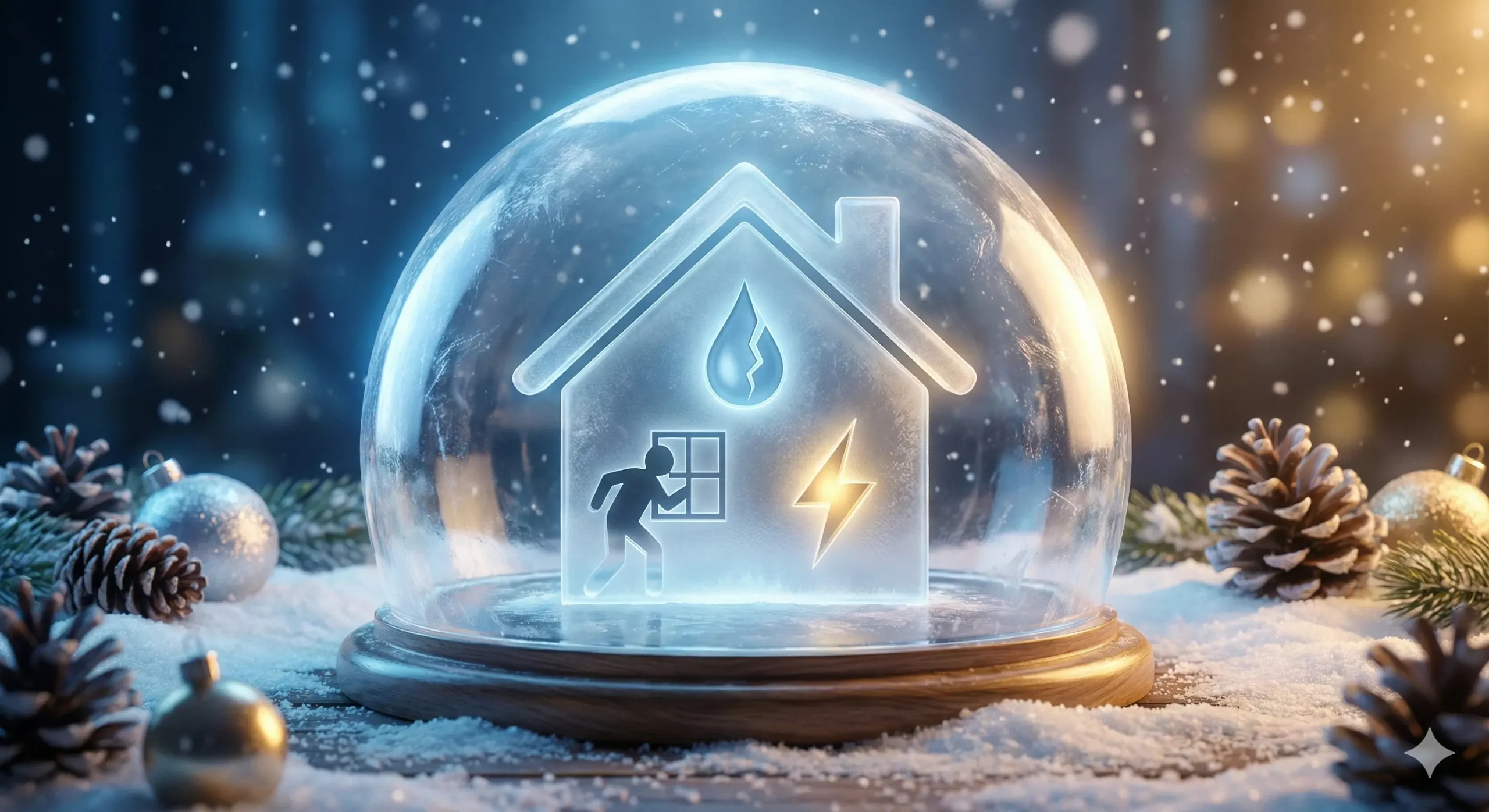
Frequently Asked Questions (FAQ)
Will my standard home insurance cover an empty house?
Coverage heavily depends on the specific duration of your absence and your policy’s underwriting language. Most standard homeowner policies contain strict limitations or outright exclusions if a property is left unoccupied or vacant for an extended period, typically exceeding 30 to 60 consecutive days. To avoid catastrophic claim denials, it is imperative to formally inform your insurer about your travel itinerary so they can apply the correct endorsements.
What is the exact difference between an “unoccupied” and “vacant” home?
An unoccupied home implies that the primary resident is temporarily traveling, but the property remains fully furnished and there is a documented intent to return. A vacant property is completely devoid of furniture and personal contents, indicating no immediate intent to reside there. Insurance carriers classify vacant homes as substantially higher risks, frequently imposing severe coverage restrictions for perils like vandalism and water damage.
Will insurance cover the damage if my pipes freeze while on holiday?
Indemnification for burst frozen pipes relies entirely on whether the homeowner demonstrated “reasonable care” to prevent the structural damage. If an adjuster determines negligence—such as deliberately turning off the central heating system during winter to save money—your claim will likely be denied. To ensure compliance and coverage, you must always set your internal thermostat to a minimum of 55°F (13°C) and insulate exposed plumbing.